
The catalog: shelves where printed lettering turns up
Every shelf of catalog finds, grouped by how often its pieces carry writing, with a note on where the lettering usually sits. Each name leads to the catalog itself.
Browse all 16 product categories
These photographs identify the product type, not guaranteed stock, quality or a live price. Open a category, then check the individual seller listing and your chosen agent’s restrictions.
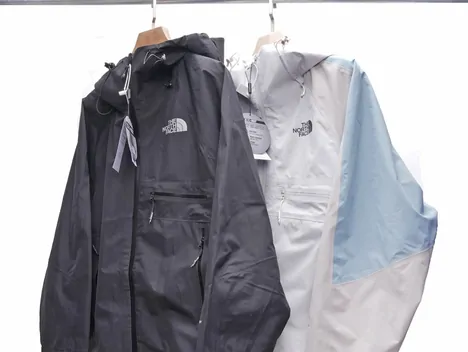 Outerwear ↗Compare chest width, sleeve length and layering room.
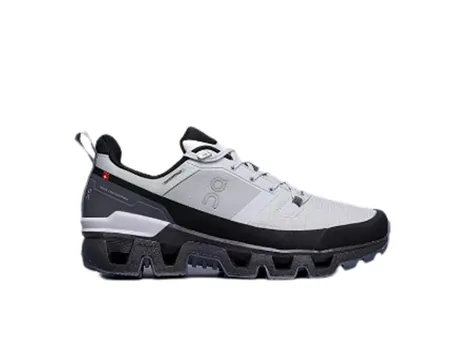 Sneakers ↗Confirm the selected size and any insole measurement.
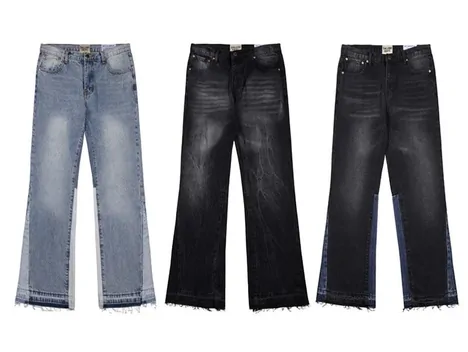 Jeans ↗Read waist, rise and inseam for the actual variant.
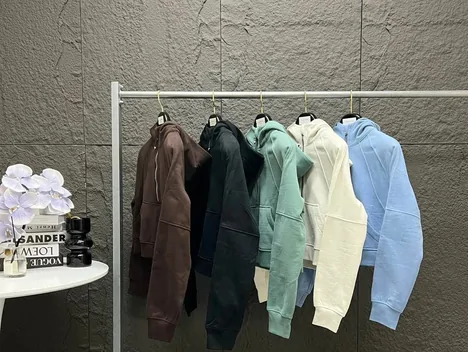 Hoodies ↗Check garment measurements and the exact print or colour.
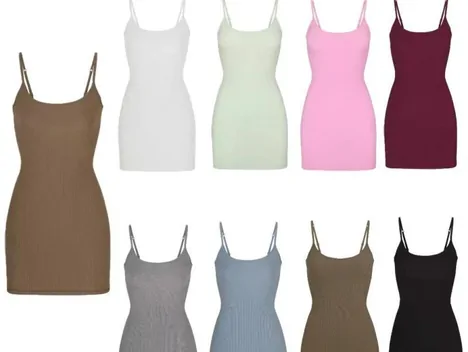 Womenswear ↗Compare cut and measurements rather than size letters alone.
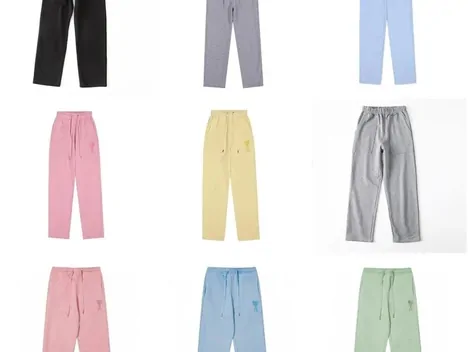 Sweatpants ↗Check inseam, waist stretch and ankle shape.
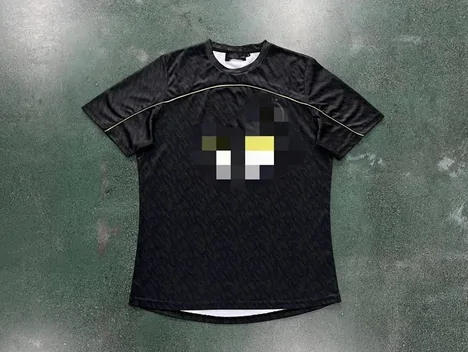 T-shirts ↗Check chest width, length and print placement.
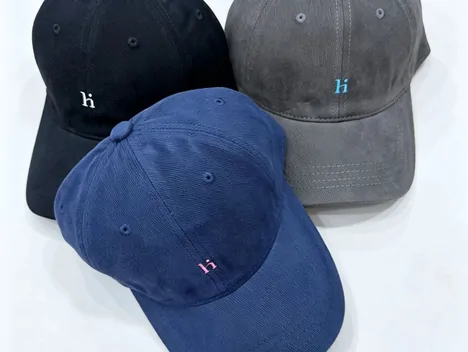 Hats ↗Look for circumference and adjustment details.
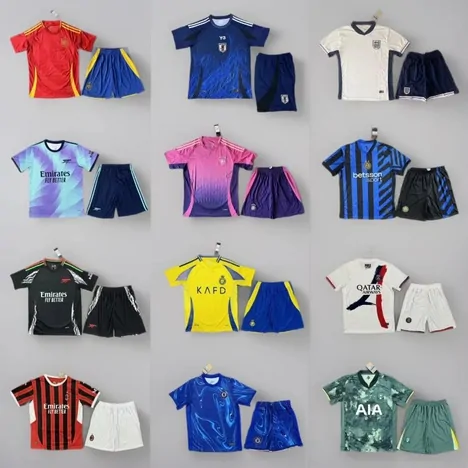 Jerseys ↗Verify the selected season, version and customisation.
 Bags ↗Distinguish usable inside space from outside dimensions.
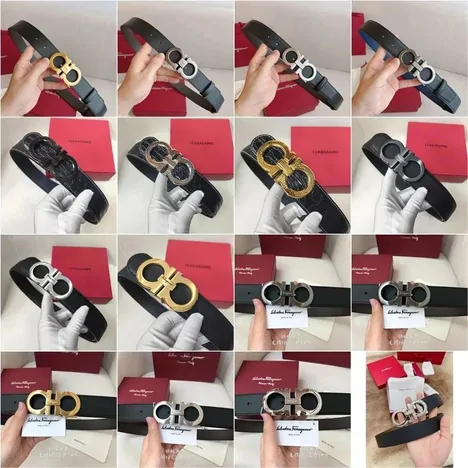 Belts ↗Check usable fastening length and buckle dimensions.
 Eyewear ↗Check frame dimensions; photos do not certify lens protection.
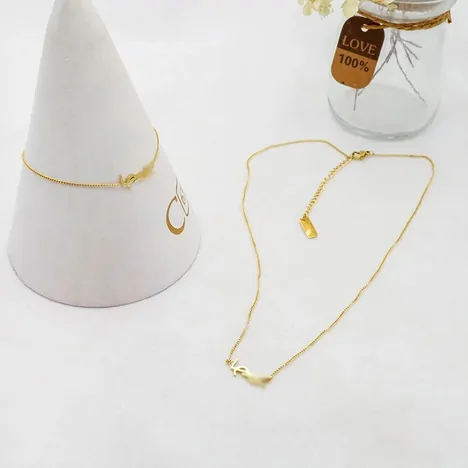 Jewelry ↗Ask about dimensions and material evidence before purchase.
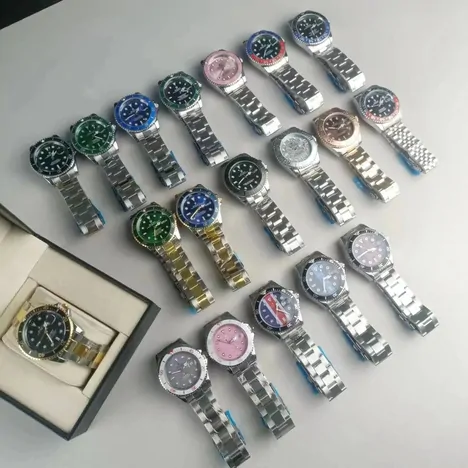 Watches ↗Check case and strap sizes; ask the route about batteries.
 Perfume ↗Confirm liquid restrictions before paying for the item.
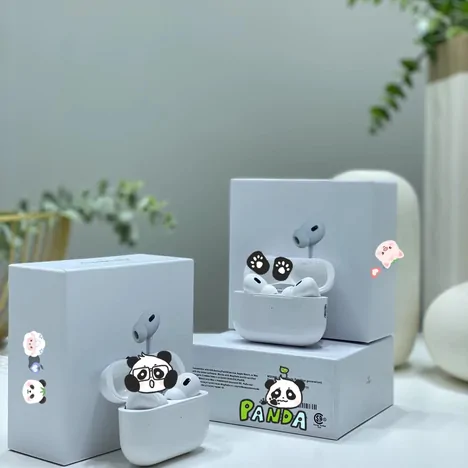 Electronics ↗Check rated input, compatibility and battery shipping limits.
A catalog of finds, read for the lettering
The Mulebuy Spreadsheet, as this site uses the name, is a browsable set of product finds from Chinese marketplaces, laid out as cards you browse by category or reach through the search box on the home page. Each card leads to the seller’s listing with its own photos and price.
What this site adds is the reading. Catalog titles are machine-translated and rarely say what a print means, so the lettering on a hoodie can be the most noticeable thing about it and the least explained. Our pages and the Glyph match board fill that gap.
It is not an online shop, and nothing is sold here. In the agent-shopping route described here, the agent buys from the seller on your behalf.
Tops, where most lettering lives
Tops are where you will find nearly all the characters, slogans and poem lines this site reads.
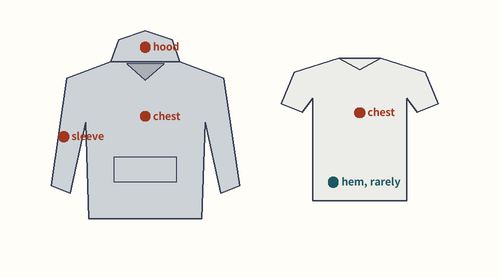
- Hoodies: chest, back, sleeves and sometimes the hood; long phrases often run down the back.
- T-shirts: mostly the chest, a single character or a short line.
- Jackets and coats: back panels and patches, usually larger and more decorative.
- Jerseys: names and numbers rather than phrases.
- Womenswear: a search rather than one shelf; lettering is often small and placed off-center.
Caps and small accessories
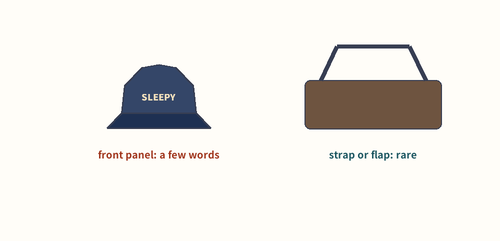
Caps are the second home of lettering: little room, so the words are few and chosen to be noticed. A cap photographed from the side can hide half a phrase, so look for one shot taken straight at the front panel before you judge what it says.
Legwear and footwear
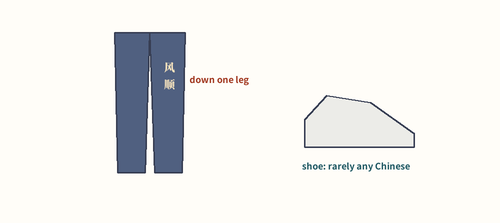
Legwear sometimes carries a word or a vertical line; footwear almost never carries Chinese text. Text down a trouser leg is usually set as a column, so the vertical notes on the mock-ups page apply, and a fold at the knee is the usual reason a word looks cut short in a photo.
- Jeans: a line down one leg, or nothing.
- Sweatpants: a word on the thigh or along the side seam.
- Sneakers: rarely Chinese text on the shoe itself; the box and insole may carry some.
Shelves where lettering is rare
These shelves carry text for practical reasons, not as decoration. We list them so the catalog is complete, and so you know that this site has nothing to add about their markings: a model number on a watch or a size line inside glasses is information, not a message to the people around you.
- Eyewear: markings inside the temple arm, not decoration.
- Watches: dial text is part of the design, not a slogan.
- Perfume: packaging text, which this site does not cover.
- Electronics: labels and specifications, not lettering in our sense.
Why this site reads the lettering first
Why this site exists at all: plenty of catalogs show what a piece looks like, and almost none say what is written on it. That gap is easy to fill with care and hard to fill with software, so we fill it by hand, one checked reading at a time.
Our working rules are short. Every meaning names the dictionary page or published list it was checked against, with a date. Slang is marked as our reading for 2026 and rechecked every three months. We do not show prints of brand names or slogans, names of real people, or anything political, religious or crude. We open every catalog link again before an update goes out, and each one carries a tracking tag that shows us which shelves readers actually open; a dead link gets replaced, never left in place.
We do not claim the largest catalog or the best prices. The catalog is what it is; the reading is what we add.
Using the catalog and this guide together
Here is how to use the catalog with this guide, step by step.
- Search from the home page box, or open a shelf above. Use plain English words: hoodie, slogan tee, baseball cap.
- Open a card and go to the seller’s photos. Find the clearest view of the print and zoom in.
- Hold the photo against the samples in Glyph match, using Mirror or Vertical if the photo needs it, and read the card.
- If the print is not on the board, read the matching angle page: lucky words, slang and idioms, scripts or second meanings.
- Hand the listing to a working agent and ask for a close-up of the lettering before it ships.
Mulebuy is no longer part of that chain; the Mulebuy page explains why.
Images: catalogue photographs are category examples, not this site’s purchases or verified Mulebuy orders. Drawn material, dimension and lettering examples explain a concept; they do not certify the depicted product.